
Samsung Galaxy Camera Settings Guide
Samsung Galaxy S26 Ultra Camera Settings
Seven quick steps to photos and video that look like they came from a real camera. Each one shows the exact screen to match.
 .6
1×
2
3
5
10
.6
1×
2
3
5
10
Portrait Photo Video
Where you'll end up
- 12 or 24 MP every day
- Exposure at −0.3
- 1× as your default lens
Seven steps. One setup.
The settings that shape every photo and video, in the order to change them. Each step explains what it does and why it matters.
- PicturesNatural color, HEIF, and RAW in Pro mode
- Settings to keepMake the camera remember your setup
- CompositionComposition guide, tracking focus, and the volume shutter
- In the viewfinder12 MP, −0.3, and the 1× lens
- Video4K 60 for social, 24 fps for film
- The lookExposure and grading, side by side
- The lensesSix zoom stops, from 0.6× to 10×
Step 01
Natural color first. RAW when it counts.
Camera Settings
Samsung's default processing brightens and sharpens heavily. These rows keep photos natural and leave room to edit.
- Scene optimizer
- Off
- Keeps color and contrast natural. Turn it back on if you like the punchier, AI-tuned look.
- Photo enhancer
- Prioritize quality
- Takes a moment longer per shot for more detail and cleaner low light.
- Photo format
- HEIF
- About half the size of JPEG, with the same detail.
- Pro mode picture format
- RAW and JPEG
- Under Advanced picture options. Pro mode then saves a DNG beside every JPEG, for shots you plan to edit.
Intelligent features
- Scene optimizer
- Off
- Photo enhancer
- Prioritize quality
- Shot suggestions
- On
Advanced picture options
- Photo format
- High efficiency (HEIF)
- Pro mode picture format
- RAW and JPEG
- Expert RAW 16-bit DNG
- ~100 MB
- Full resolution 200 MP JPEG
- ~30 MB
- HEIF 12 or 24 MP, recommended
- ~3 MB
Step 02
Make the camera remember.
Camera Settings Settings to keep
By default, Camera drops back to Photo mode and resets most choices when you close it. These switches keep what matters.
- Camera mode
- On
- Reopens in the mode you used last, like Pro or Video.
- Exposure
- On
- Your −0.3 bias stays set between sessions.
- High picture resolutions
- Off
- Camera returns to the everyday resolution each time, so a 200 MP shot never sticks by accident.
- Filters
- Off
- Start from a clean look each time.
- Camera mode
- On
- Selfie angle
- Off
- Exposure
- On
- High picture resolutions
- Off
- Filters
- Off
- Super Steady
- Off
- Portrait zoom
- On
Step 03
Frame it before you tap.
Camera Settings
Composition aids and a few switches that decide how the camera behaves.
- Composition guide
- On
- A 3 × 3 grid for thirds and straight horizons.
- Tracking auto-focus
- On
- Keeps focus on a moving subject once you tap it.
- Shot suggestions
- On
- Shows a guide that helps you level and frame the shot.
- Save selfies as previewed
- Off
- Selfies save unmirrored, the way others see you.
Selfies
- Save selfies as previewed
- Off
General
- Tracking auto-focus
- On
- Composition guide
- On
- Location tags
- Off
- Shooting methods
- Volume keys: Take pictures
Step 04
Take control in the viewfinder.
Camera app
A few habits in the Camera app matter more than any setting.
- Resolution
- 12 or 24 MP
- The pixel-binned default is cleaner in most light. Save 200 MP for bright scenes you'll crop.
- Exposure
- −0.3
- Samsung meters bright. Nudge it down to keep skies and highlights. Pro mode shows EV next to ISO and Speed.
- Lens
- 1×
- The 200 MP main camera has the biggest sensor. Save 5× and 10× for good light.
- Expert RAW
- For big edits
- Samsung's free Expert RAW app saves a 16-bit DNG with multi-frame processing. Get it from the Galaxy Store.
- Side button
- Double press
- Opens Camera from any screen. Set it in Settings, Advanced features, Side button.
Pro
Portrait Pro Video
Step 05
4K 60 for social. 24 fps for film.
Camera Settings
Frame rate sets the feel. The switches below keep exposure and color steady from one shot to the next.
- Video resolution
- UHD 60
- Tap the resolution chip in Video mode. 60 fps looks smooth on social; for a film look, use 24 fps in Pro video.
- Auto FPS
- Off
- Keeps the frame rate you chose, even in low light.
- Video stabilization
- On
- Steadier handheld clips. Super Steady crops in further for action.
- High efficiency videos
- On
- HEVC files at a fraction of the size. Under Advanced video options.
- HDR videos
- On
- Brighter highlights on HDR screens. Under Advanced video options.
Videos
- Auto FPS
- Off
- Video stabilization
- On
Advanced video options
- High efficiency videos
- On
- High bitrate videos
- Off
- HDR videos
- On
- Log
- Off
Leave Log off until you plan to grade.
-
24 fps at 1/50 s
A little motion blur in every frame. Movement reads as film.
-
60 fps at 1/120 s
Crisper frames and smooth motion. Right for social.
-
24 fps at 1/2000 s
Typical of auto exposure in bright sun. Each frame is frozen, so motion stutters.
Step 06
See the difference.
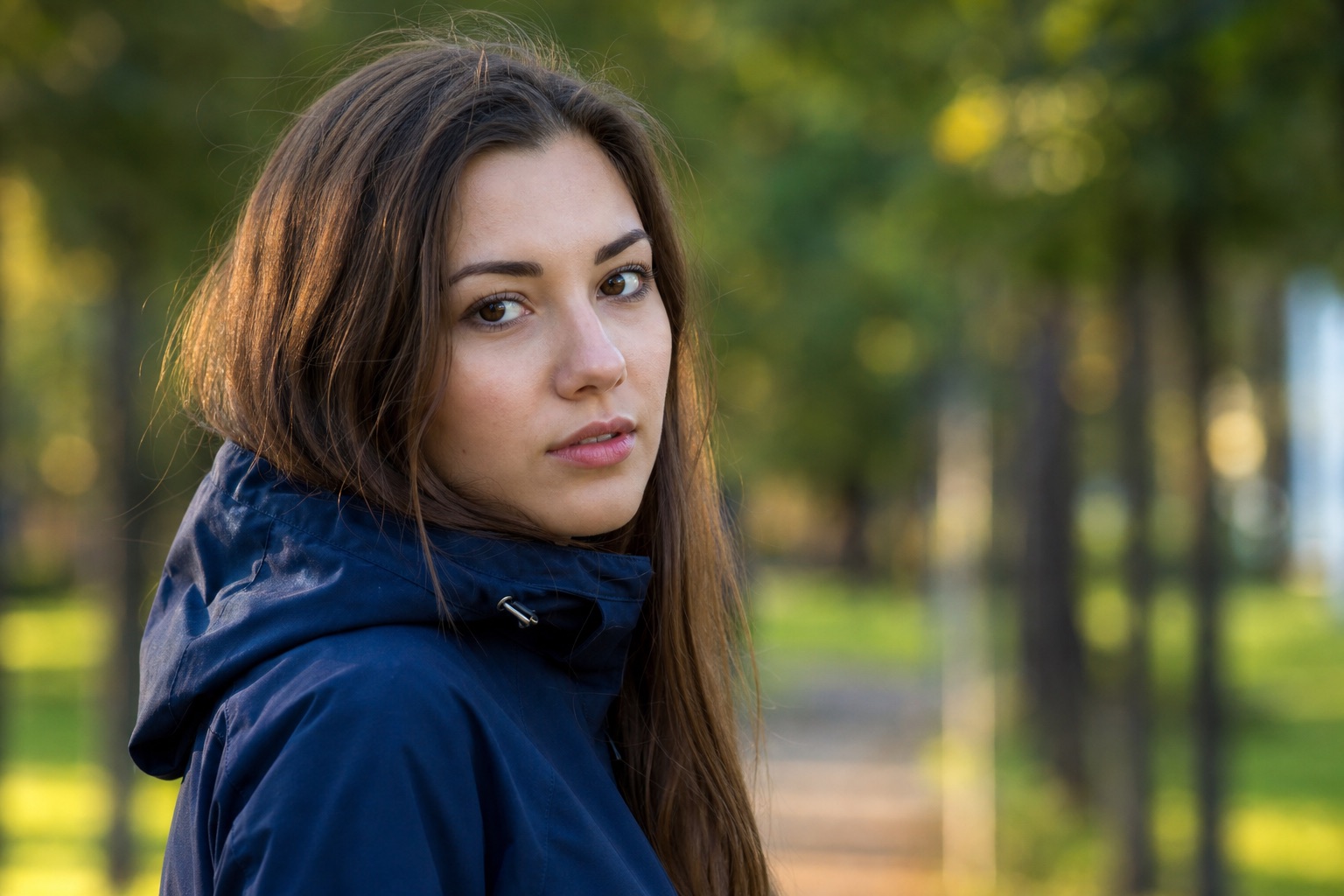
Two of the changes above, side by side. Both frames come from the same photo and are simulated, so the setting is the only variable.
Exposure −0.3 holds the highlights and deepens the blacks.
A light grade: a little more contrast, a little less saturation.
- Filters
- None
- Start neutral and grade in Gallery or Lightroom, where you can undo it.
- Editing
- Preset first
- Start from a preset, then adjust only exposure, highlights, shadows, and temperature.
Step 07
Six zoom stops, from 0.6× to 10×.
Four cameras and two sensor crops. The 200 MP main camera has the biggest sensor, which is why 1× is home.
- .6× 50 MP Ultra Wide, ƒ/1.9
- 1× 200 MP Main, ƒ/1.4
- 2× 12 MP Crop of Main
- 3× 10 MP Telephoto, ƒ/2.4
- 5× 50 MP Telephoto, ƒ/2.9
- 10× 12 MP Crop of 5×
- 50MP Ultra Wide
- 0.6×, and macro
- ƒ/1.9
- 200MP Wide
- 1×, with a 2× crop
- ƒ/1.4
- OIS
- 10MP 3× Telephoto
- 3× optical
- ƒ/2.4
- OIS
- 50MP 5× Telephoto
- 5× optical, with a 10× crop
- ƒ/2.9
- OIS
Galaxy S26 Ultra vs S25 Ultra
What changed for cameras between generations
Presets and Storage
Which format to use for each kind of clip, and how much of it fits.
Video presets
| Use Case | Resolution | FPS | Codec | Notes |
|---|---|---|---|---|
| Social Media Best | 4K | 30 | HEVC (H.265) | HDR videos on |
| Maximum Detail | 8K | 30 | HEVC or APV | Large files; keep clips short |
| Color Grading | 4K / 8K | 24 / 30 | APV or HEVC Log | Camera settings → Video format. Grade it with a LUT from Envato Elements. |
| Slow Motion | 4K | 120 | H.265 | UHD slow motion; 4× at 30fps playback |
| Action / walking | 4K | 30 / 60 | H.265 | Super Steady + Horizontal Lock |
What a minute of video costs
- APV 4K at 30 fps, HQ
- ~6 GB
- HEVC 8K at 30 fps
- ~600 MB
- HEVC 4K at 60 fps, for social
- ~500 MB
- HEVC 4K at 30 fps
- ~350 MB
How much fits
| Format | 256 GB | 512 GB | 1 TB |
|---|---|---|---|
| HEVC 4K at 60 fps | ~8 hr | ~16 hr | ~32 hr |
| APV 4K at 30 fps | ~40 min | ~80 min | ~2.7 hr |
Frequently Asked Questions
Best settings, key features, and what changed from the S25 Ultra.
What are the best camera settings for the Galaxy S26 Ultra?
In Camera settings: Scene optimizer off, Photo enhancer set to Prioritize quality, Photo format set to High efficiency (HEIF), and Pro mode picture format set to RAW and JPEG. Turn on Composition guide, keep Camera mode under Settings to keep, and leave Auto FPS off with Video stabilization on. Shoot at the default resolution with exposure around −0.3, and record UHD at 60 fps for social or 24 fps in Pro video for a film look.
What cameras does the Galaxy S26 Ultra have?
Four rear cameras: 200MP Wide at ƒ/1.4 with 2× optical-quality zoom, 50MP Ultra Wide at ƒ/1.9, 10MP 3× telephoto at ƒ/2.4, and 50MP 5× telephoto at ƒ/2.9 with 10× optical-quality zoom. Digital zoom reaches 100×. The front camera is 12MP at ƒ/2.2 with autofocus.
How do I shoot 200MP photos on the Galaxy S26 Ultra?
In Photo mode, tap Quick controls (the four dots), then Resolution, and choose 200MP on the 1× Wide camera. Use it in good light; Photo enhancer set to Prioritize quality is required for 24MP at 0.6–1.9× and 5–9.9×, otherwise those zooms save at 12MP.
How do I record Log or APV video on the S26 Ultra?
Open Camera, tap Quick controls, then Settings, then Video format. Turn on APV for the Ultra-only codec, and set Log to Video and Pro video modes. Footage looks flat so you can grade it; leave Log off for clips you share straight from the phone.
Can the Galaxy S26 Ultra record 8K and 4K 120fps?
Yes. Samsung lists 8K at 30fps and 4K at 120fps. APV on the Ultra also covers 8K at 24–30fps and UHD, FHD, or HD at 24–120fps. For most clips use 4K 30fps with High efficiency videos and HDR videos on.